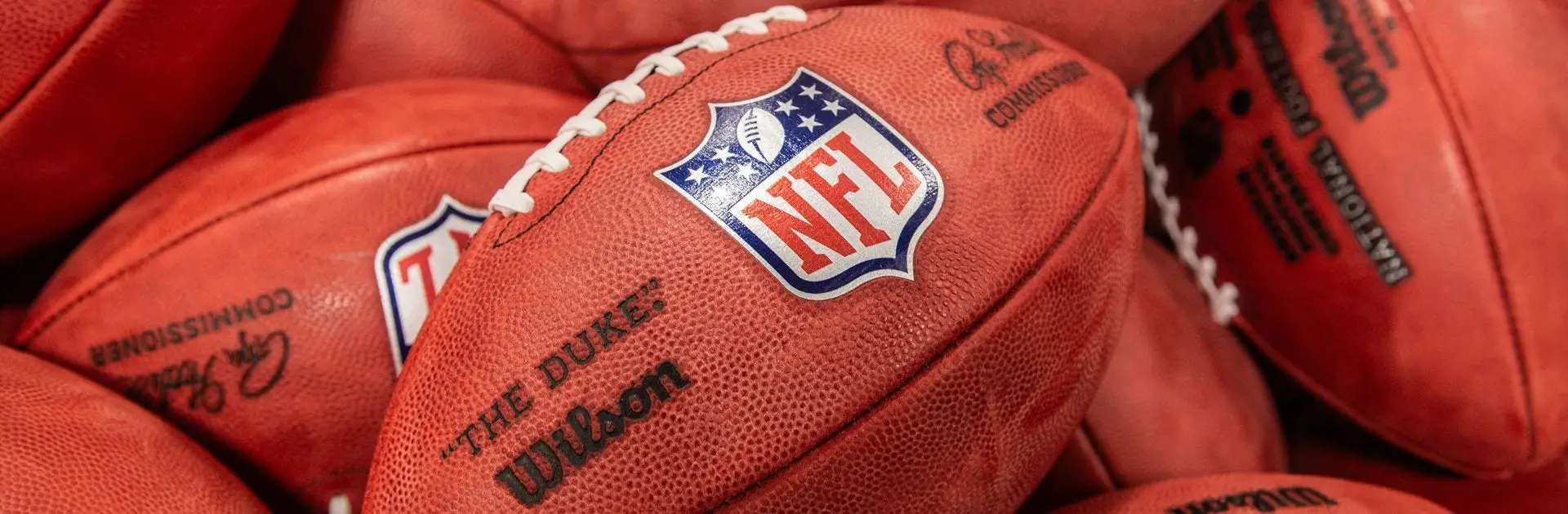
The first time I truly understood the value in having an interpreter on your side was as a student at Waseda University 早稲田大学, when I heard the story from a Japanese “sempai” (senior) of how the US National Football League (NFL) came to Tokyo.
USA NFL came to town
The NFL arrived to negotiate their multi-year contract for pre-season exhibition games in Japan. They are titans of American sports, but they made a classic “home team” mistake of being overly confident: they didn’t bring their own translator.
The Japanese side, however was fully prepared by having their own translators, which the Americans relied on. This led to two massive disadvantages for the Americans:
- The “Private Huddle”: Because no one on the NFL team spoke a word of Japanese, the Japanese negotiators could discuss strategy, pivot their positions, and critique the American offers in real-time, right in front of of them under their noses. The Americans were sitting in a cone of silence while the other side openly collaborated out loud.
- The Culture Gap: Without a dedicated team member to flag nuances, the Americans missed in translation a lot of the real meaning behind the words, for example: the subtle “no” hidden behind polite “maybe”.
As a result, the Japanese side secured the significantly better deal. As in the famous movie “Lost in translation” in Japan, the Americans were “Lost without their own translator”.
When is AI or Google Translation not enough?
For simple verbatim translations like boat schedules, event locations, signs and menus, Artificial Intelligence (AI) is useful, convenient and appropriate.
If you’re navigating complex, important or delicate discussions, whether a business meeting in Villa d’Este, a home purchase in Como, or a sensitive condominium meeting, by not having a local interpreter on your side you may risk: losing time, misunderstanding each other, missing opportunities or even being taken advantage of.
AI translates words but does not interprete meaning. In contrast I help you bridge these gaps as a local interpreter fluent in Italian, Japanese and native English.